Unchin Foundation - Turning Interest into Action
Unchin Foundation - Turning Interest into Action
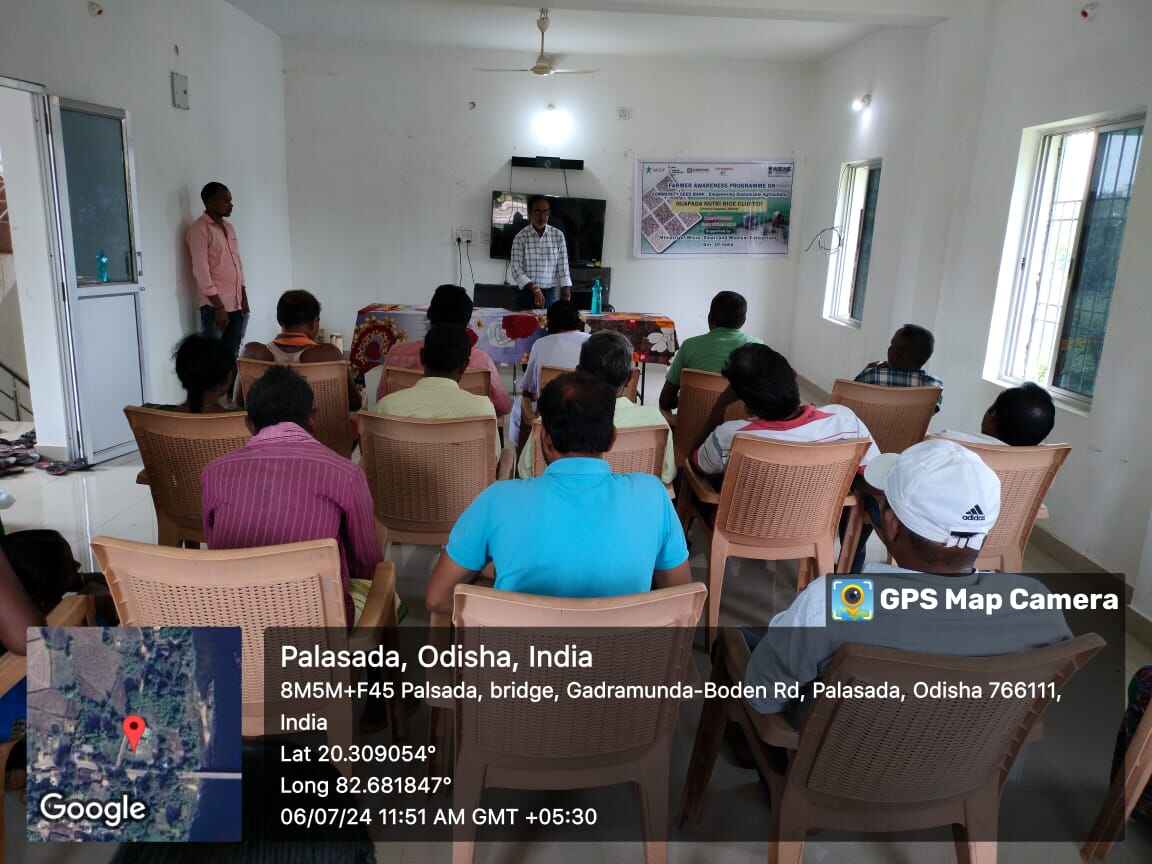
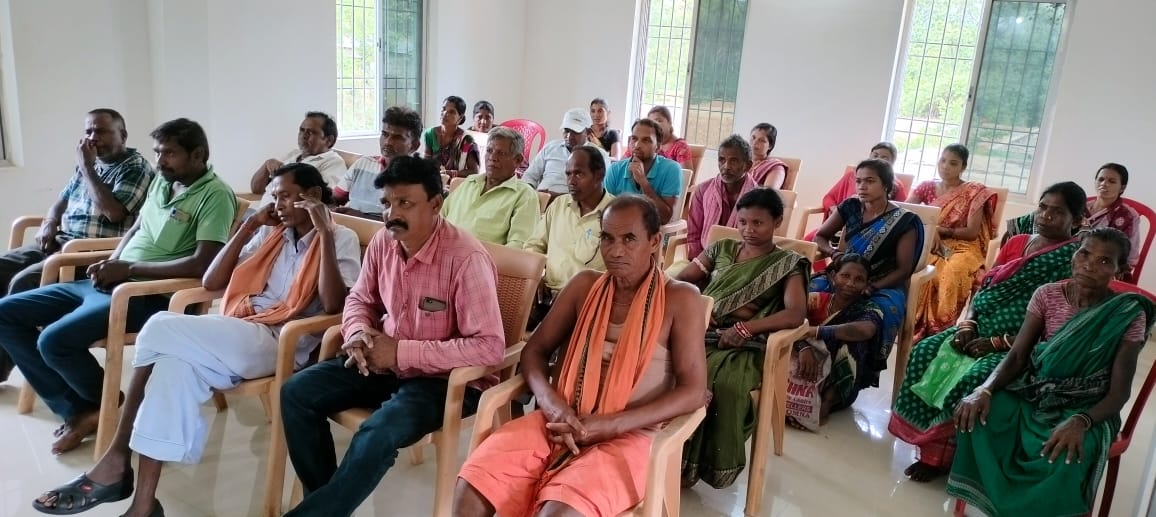
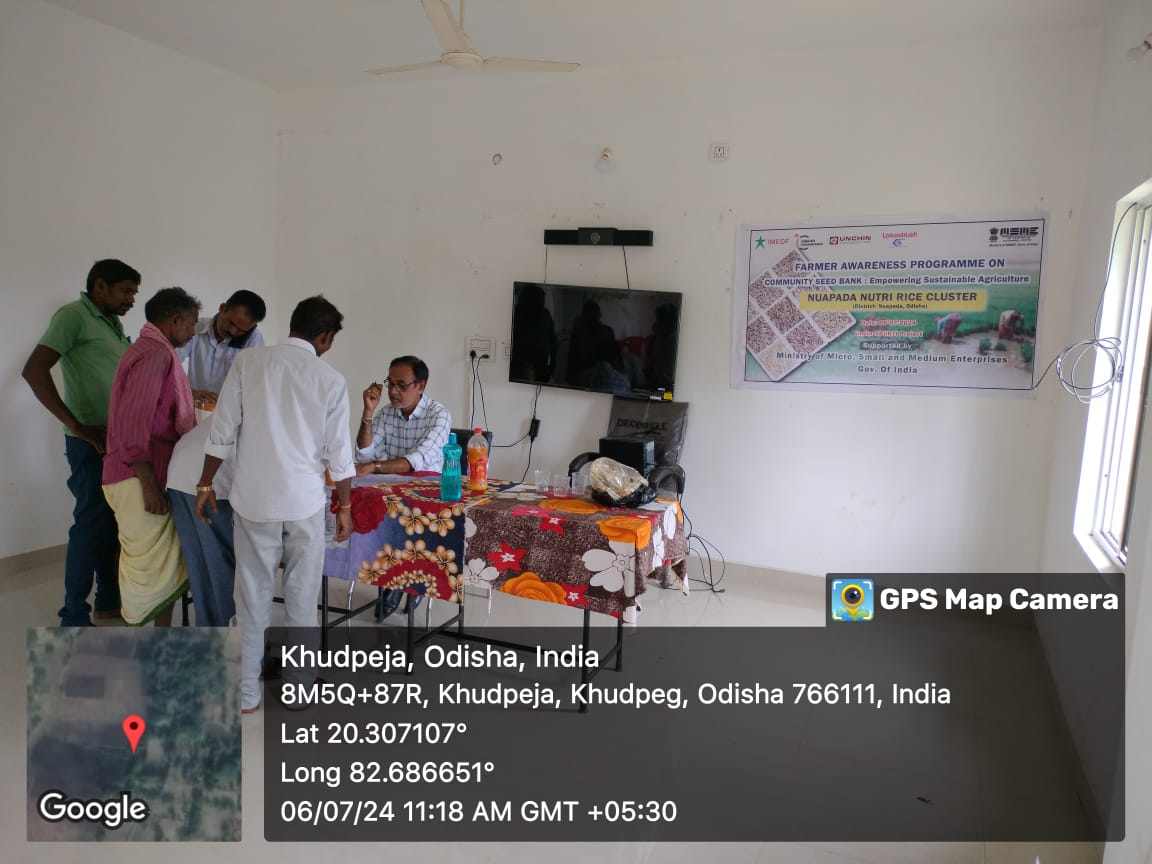
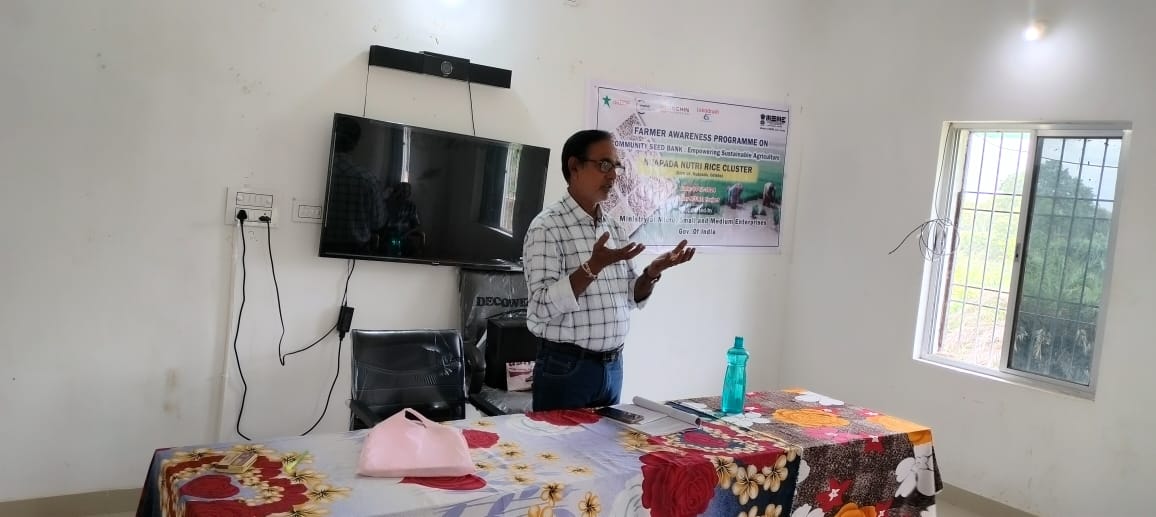
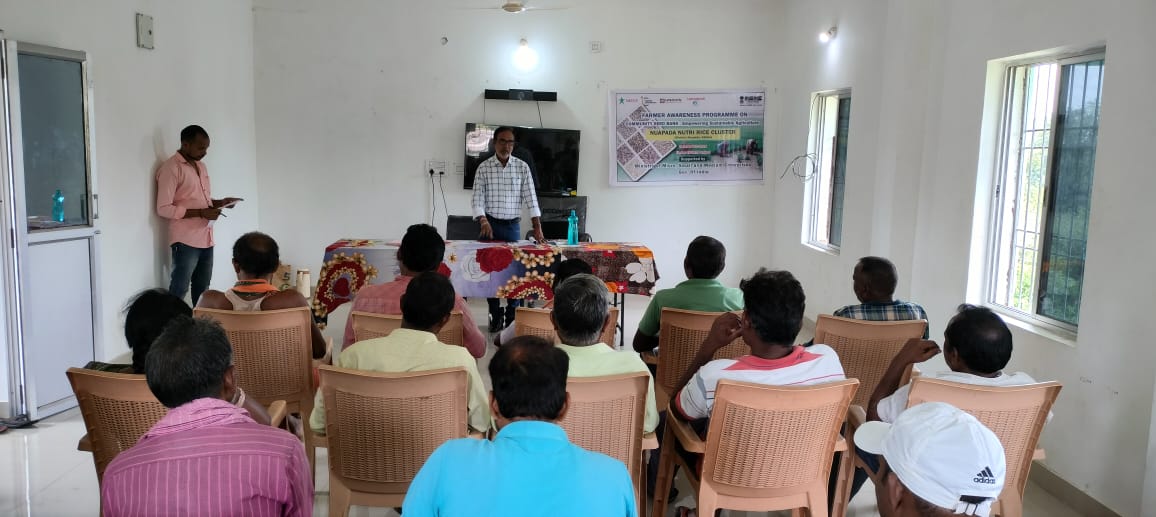
A Farmer Awareness Programme on Community seed on 6th July 2024 for farmers of Nuapada Nutri Rice Cluster, A total of 36 (M:22 F: 14) farmers of Palsada, Budhapada, Salepada, Durkamunda of Nuapada district participated in the awareness program. Mr Laxmikanta Khamari, Ex District Agriculture Officer, Khariar.
The Director, Agriculture & Food Production, Odisha Government of Odisha delivered the program. The farmers learned about the concept of seed bank and its benefit and advantages of Community Seed bank. The farmers were equipped with knowledge and skills in seed selection, seed health management, and seed production that can ultimately conserve plant genetic resources and improve agriculture ecosystem in a sustainable way. The farmers were trained to harvest, treat, store and multiply seeds that are of better quality than those available in local market. The farmers were learned how to grow crops organically, free from chemicals. We train farmers how they can be self-reliant, how to keep the environment healthy, and how our body will be healthy by eating traditional varieties through seed bank.
The Community Seed Bank Farmers Awareness Programme is dedicated to empowering local farmers by advocating for sustainable agricultural methods through the creation and administration of community seed banks. This initiative prioritizes the preservation of indigenous seed varieties, the enhancement of biodiversity, and the promotion of food security. By establishing community-managed seed banks, the programme acknowledges the vital importance of local seed varieties in achieving food security, safeguarding biodiversity, and supporting resilient agricultural practices. Through active community involvement, we strive to bolster local farming systems and improve self-sufficiency.
Community Seed Banks frequently offer training and educational resources to farmers, focusing on seed-saving practices, the advantages of sustainable agriculture, and the importance of crop diversity. The establishment and ongoing support of a Community Seed Bank involve several key steps. It is essential to adopt a systematic approach, emphasizing human and social factors prior to developing physical infrastructure. A well-constructed community seed bank facility is only beneficial if farmers are inspired and prepared to make effective use of it.
Conducting a situational analysis.
Inspiring and organizing farmers.
Selecting crop species and varieties.
Ensuring seed health through local quarantine and processing.
Implementing seed storage solutions, including facilities, equipment, and methods.
Registering new varieties with appropriate passport data.
Regenerating seeds.
Facilitating information sharing.
Monitoring operations and evaluating results.
Increased Knowledge and Skills: Participants will acquire a thorough understanding of black/nutri rice cultivation methods, covering everything from seed selection to post-harvest processing. They will also develop enhanced skills in sustainable agricultural practices, pest management, and resource optimization.
Improved Crop Yields: Farmers who implement the techniques learned during training can anticipate higher yields and superior quality produce, leading to increased market value. The use of integrated pest management is expected to result in healthier crops with reduced losses.
Economic Benefits: Farmers can expect to see a rise in income through improved production practices and enhanced market access.
@ 2024 Unchin Foundation All Rights Reserved. Powered by Malus TechnoLab

Unchin Foundation
Typically replies within an hour


Thanks for newsletter subscription


