Unchin Foundation - Turning Interest into Action
Unchin Foundation - Turning Interest into Action
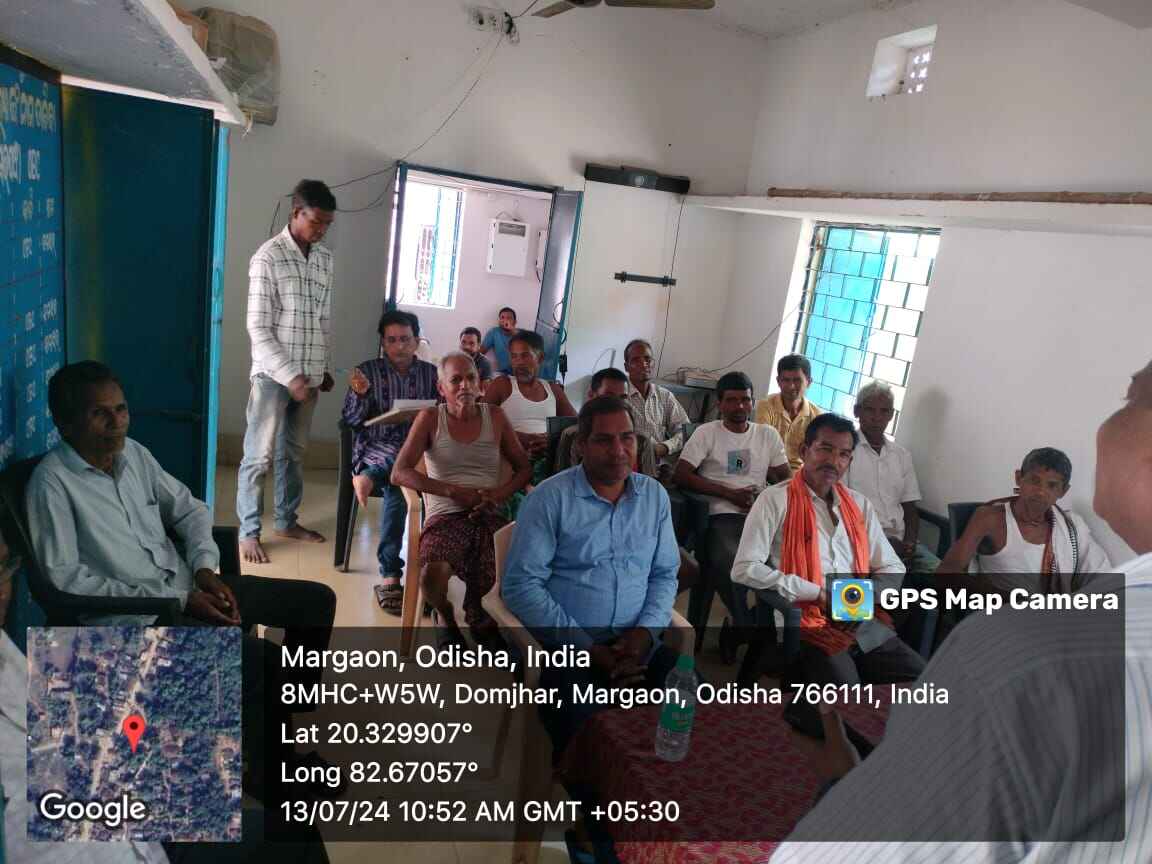
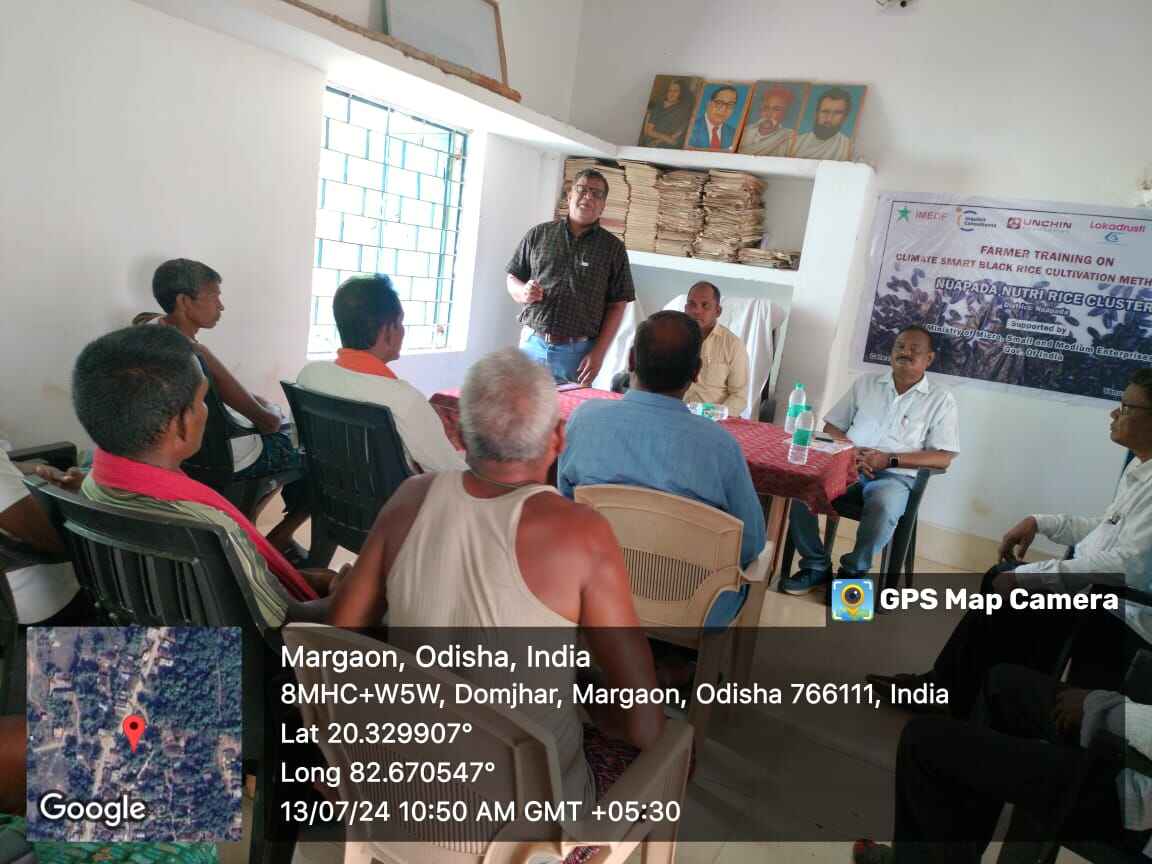
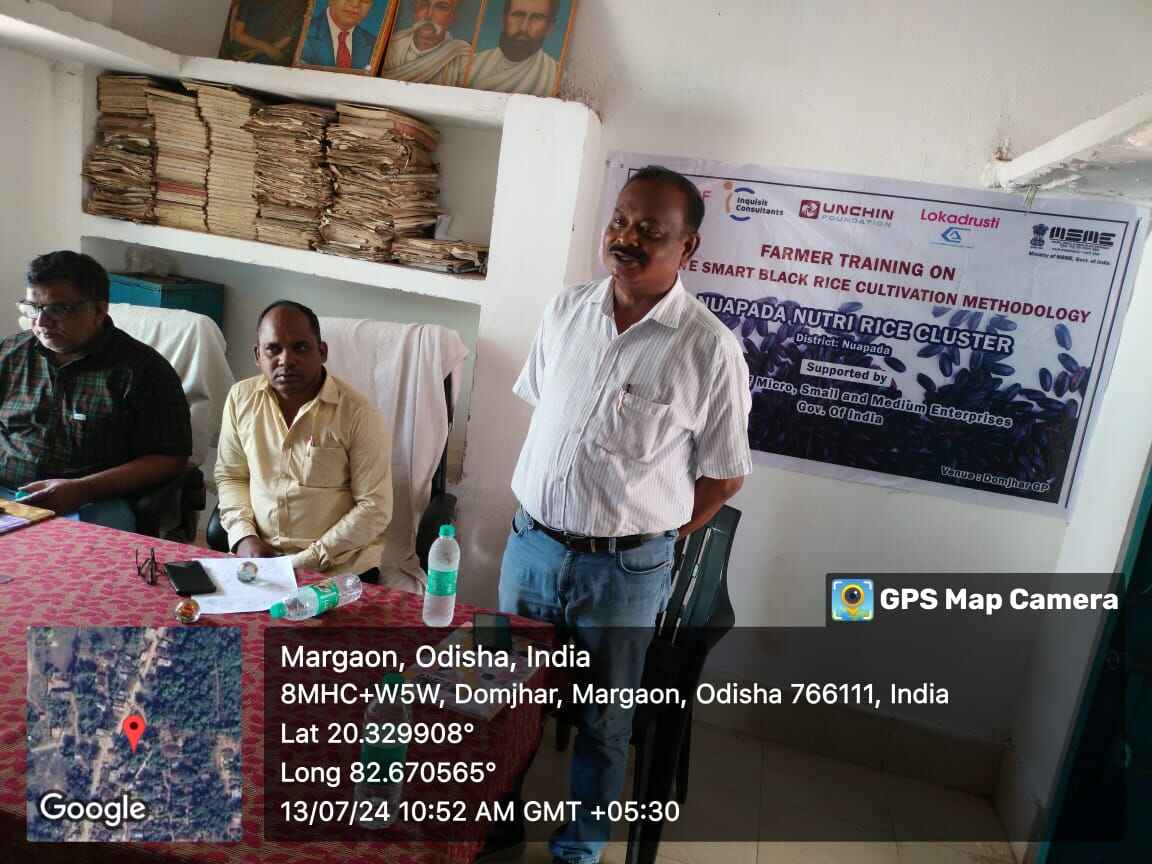
Climate smart Protein Rice Cultivation Programme on Community seed on 12th July 2024 for farmers of Nuapada Nutri Rice Cluster, A total of 34 (M:20 F: 14) farmers of Palsada, Budhapada, Salepada, Durkamunda of Nuapada district participated in the Climate smart Protein Rice Cultivation program. Mr Laxmikanta Khamari, Ex District Agriculture Officer, Khariar was assigned to give the training to the farmers.
Training programs aimed at farmers in climate-smart protein rice cultivation emphasize the acquisition of knowledge and skills that foster sustainable agricultural methods. The following are essential elements of such training and their associated advantages: Training Elements Sustainable Agricultural Practices: Soil Health Management: Providing education on the use of organic fertilizers, composting techniques, and soil amendments to improve soil fertility and structure. Water Conservation Techniques: Instruction on effective irrigation practices (such as drip irrigation) and rainwater harvesting to maximize water efficiency. Crop Selection and Varietal Improvement: Introduction to high-protein rice varieties and their advantages. Advice on choosing resilient varieties that can endure climate-related challenges (such as drought, flooding, and pests).
Integrated Pest Management (IPM): Training in biological pest control methods, the use of beneficial insects, and sustainable pesticide application practices to reduce environmental harm.
Climate Adaptation Strategies: Education on crop diversification, intercropping, and modifying planting schedules to adapt to shifting weather patterns.
Monitoring and Data Collection: Guidance on utilizing data and technology (including mobile applications) to track crop health and environmental conditions.
Community Engagement: Encouraging the formation of farmer cooperatives and groups to exchange experiences, address challenges, and celebrate successes, thereby creating a supportive network.
Sustainability Education: Increases awareness of sustainable agricultural practices and their long-term benefits for both the environment and the community. Encourages responsible resource management to prevent the depletion of local resources.
Advantages for Farmers Increased Productivity: Adopting sustainable practices can result in enhanced yields and superior crop quality, especially with high-protein varieties
Climate Change: Farmers trained in adaptive strategies are more equipped to handle climate-related issues, leading to more consistent production.
Economic Benefits: Improved crop yields and quality can result in higher market prices and increased income for farmers. Additionally, sustainable practices may lower input costs over time.
Enhanced Soil and Water Quality: Methods that prioritize soil health and water management contribute to the long-term viability of agricultural practice.
Increased Income Opportunities: Equipping farmers with the skills to produce poha can create an additional revenue stream, allowing them to sell both raw rice and the processed poha. Value-added products typically achieve higher market prices
Nutritional Awareness: Participants gain insights into the health advantages of black/nutri rice, highlighting its superior antioxidant content and nutritional profile compared to standard rice. This training emphasizes the significance of incorporating diverse, nutrient-dense foods into diets.
Enhanced Agricultural Skills: Farmers receive updated information on optimal practices for black rice cultivation. The program covers essential techniques in soil management, pest control, and sustainable farming, ultimately enhancing overall crop productivity.
Economic Empowerment: Farmers are equipped with the knowledge and skills necessary to boost productivity and profitability, leading to improved financial outcomes. The training also provides insights into market trends and opportunities for value addition, fostering entrepreneurial initiatives.
Sustainability Practices: The program advocates for sustainable farming methods that safeguard the environment and promote soil health. It encourages the adoption of organic farming techniques and integrated pest management strategies.
Community Development: The training cultivates a sense of community among participants, promoting the exchange of knowledge and collaborative efforts. It also strengthens local economies by increasing the production and sale of black/nutri rice.
Food Security: By diversifying crop production and enhancing the availability of nutrient-rich foods, the training contributes to improved food security. It also helps to decrease dependence on conventional rice, which may offer lower nutritional benefits.
Increased Knowledge and Skills: Participants will acquire a thorough understanding of black/nutri rice cultivation methods, covering everything from seed selection to post-harvest processing. They will also develop enhanced skills in sustainable agricultural practices, pest management, and resource optimization.
Improved Crop Yields: Farmers who implement the techniques learned during training can anticipate higher yields and superior quality produce, leading to increased market value. The use of integrated pest management is expected to result in healthier crops with reduced losses.
Economic Benefits: Farmers can expect to see a rise in income through improved production practices and enhanced market access.
@ 2024 Unchin Foundation All Rights Reserved. Powered by Malus TechnoLab

Unchin Foundation
Typically replies within an hour


Thanks for newsletter subscription


